
Have You Ever Noticed Blood While Brushing? Your Teeth Might Be Trying To Tell You Something.
Noticing blood while brushing may seem harmless, but your gums could be trying to warn you about irritation, sensitivity, or early oral health problems. Learn what these signs really mean — and why gentle daily care matters.
Written by
Prashant Sharma
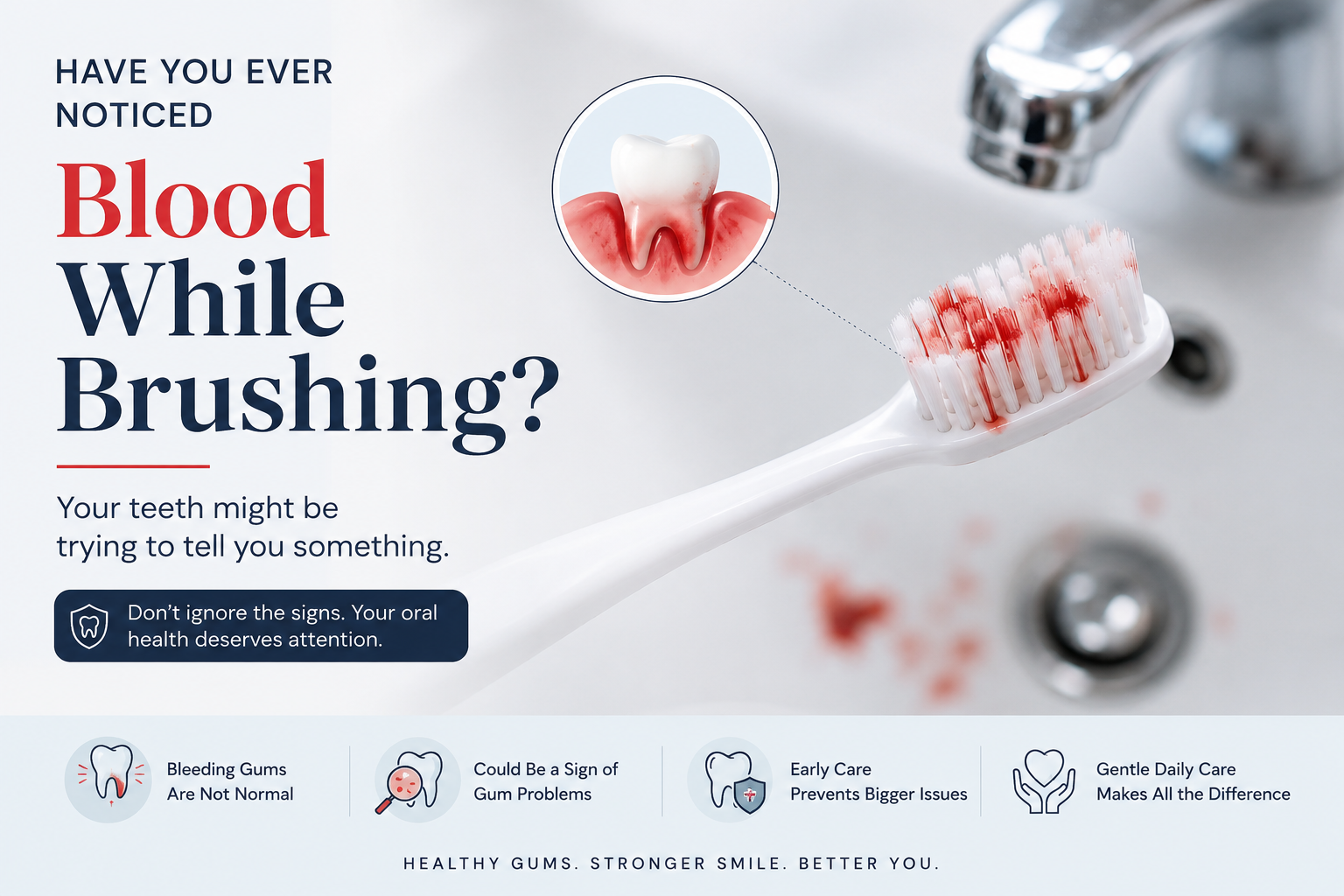
Most people ignore bleeding gums.
A little blood in the sink while brushing often feels harmless — maybe you brushed too hard, maybe your toothbrush was rough, or maybe it was “just for today.”
But your mouth rarely reacts without a reason.
Bleeding while brushing can sometimes be one of the earliest signs that your gums are irritated, unhealthy, or not receiving the care they truly need. And the longer it’s ignored, the easier it becomes for small oral problems to turn into bigger ones.
Why Do Gums Bleed While Brushing?
Healthy gums generally do not bleed regularly.
If you notice blood often while brushing or flossing, it may happen because of:
- Plaque buildup near the gums
- Aggressive brushing habits
- Gum inflammation
- Poor oral hygiene
- Sensitivity caused by enamel wear
- Using products that are too harsh for daily use
Sometimes, even stress, smoking, dehydration, or nutritional deficiencies can affect gum health.
The Most Common Mistake People Make
Many people stop brushing properly when they notice bleeding.
But avoiding the affected area can actually allow more plaque and bacteria to build up around the gums, making the problem worse over time.
The goal is not to stop cleaning your teeth.
The goal is to clean them gently and correctly.
Signs Your Mouth May Need Better Care
Bleeding gums are often accompanied by other small warning signs, including:
- Sensitivity while eating hot or cold foods
- Swollen or tender gums
- Bad breath that keeps returning
- Pain while brushing
- Gum discomfort after eating
- Teeth feeling unusually sensitive
These signs may appear gradually, which is why many people ignore them until the discomfort becomes difficult to manage.
Could Your Toothpaste Be Too Harsh?
Not every toothpaste is designed for long-term gentle care.
Some products focus heavily on whitening or strong cleaning agents that may feel powerful at first, but can sometimes feel harsh for sensitive mouths when used aggressively or excessively.
If your teeth or gums already feel irritated, choosing a toothpaste designed for sensitive oral care may help support a more comfortable brushing experience.
Your Mouth Speaks Before Problems Become Serious
Our teeth and gums often give small warnings long before major discomfort begins.
A little blood while brushing may seem easy to ignore today.
But listening to these early signs can help protect your oral health in the long run.
Because a healthier smile is not just about looking good — it’s about feeling comfortable every single day.
Gentle Care Starts With Daily Habits
At RESTOSMILE, we believe gentle daily care and consistent oral hygiene habits play an important role in everyday oral care.